
Does Your Cycle Affect How Your Body Uses Protein?
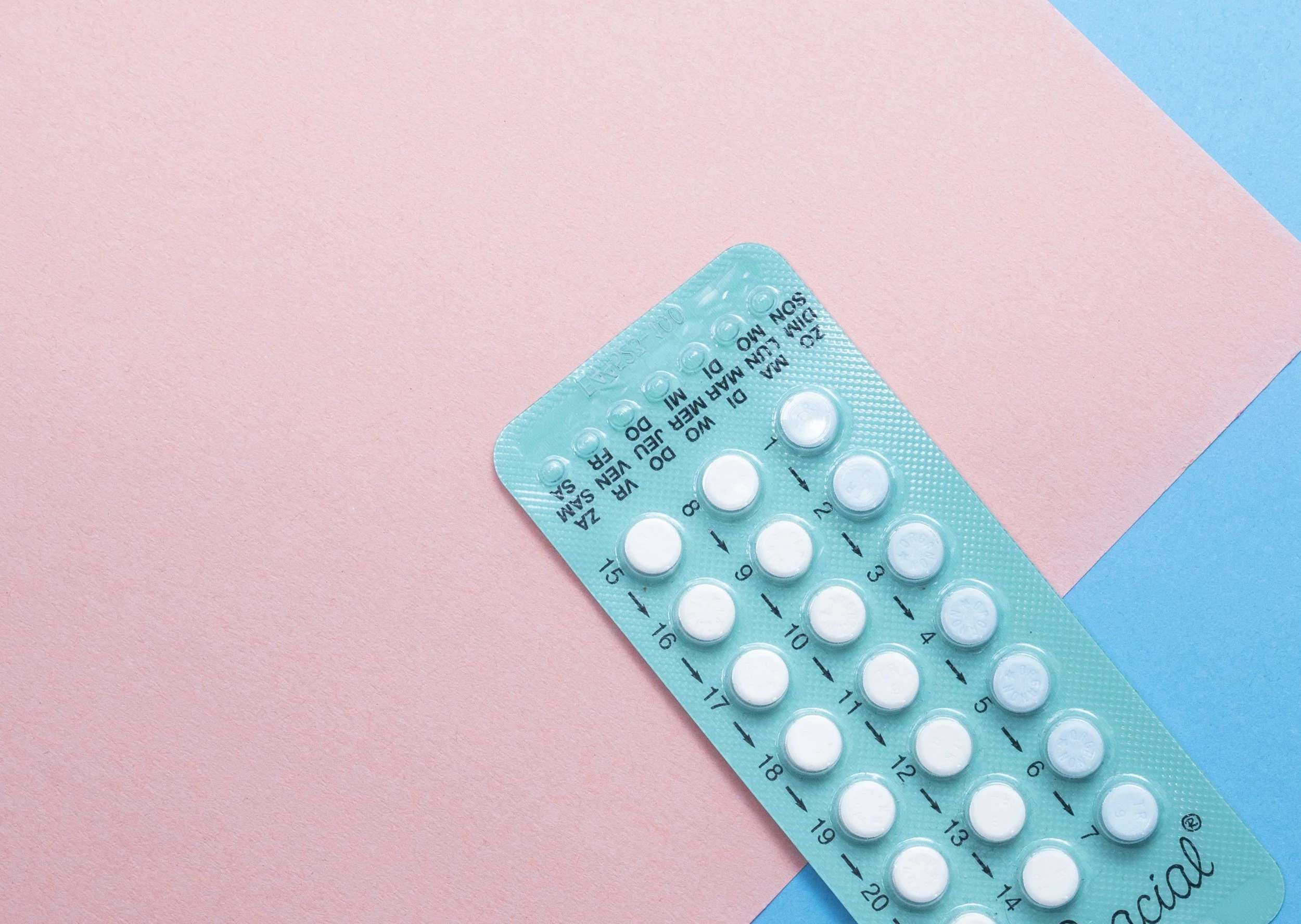
If you train consistently and you've ever noticed your recovery feels off at certain points in the month — you're not imagining things. Hormones influence a lot of how your body operates, and new research is starting to confirm what many women have suspected for years.
A study published in Applied Physiology, Nutrition, and Metabolism — the official journal of CSEP — looked at whole-body protein turnover across the menstrual cycle in 40 active women. It's one of the first studies to directly compare naturally cycling women, oral contraceptive users, and hormonal IUD users — using real hormone measurements, not just estimated cycle phases.
Here's what they found, and what it actually means for how you eat and train.
What "Protein Turnover" Means in Plain English
Your body is constantly breaking down old protein — muscle, enzymes, tissue — and rebuilding new protein to replace it. The balance between those two processes is what determines whether you're in a muscle-building state or a breakdown state.
Estrogen tends to support muscle building. Progesterone has been linked to more breakdown and nitrogen loss. So the theory has always been: your high-hormone phase (luteal phase, when both estrogen and progesterone are elevated) should show more protein breakdown.
The study tested whether that theory holds up.
What the Research Found
Three groups of healthy, recreationally active women were tested twice — once in their low-hormone phase and once in their high-hormone phase:
• 15 naturally cycling women
• 13 oral contraceptive (OCP) users
• 12 hormonal IUD (H-IUD) users
The key findings:
No major differences between groups. Whether you're cycling naturally, on the pill, or using a hormonal IUD, protein metabolism tracked similarly. The type of contraception didn't significantly change the picture.
Protein breakdown was actually higher in the low-hormone phase — not the high. This is the part that surprised researchers. Prior studies had pointed toward the luteal phase as the more catabolic period. This study found the opposite: breakdown and nitrogen loss were modestly elevated in the low-hormone phase, which coincided with active menstruation (roughly days 0–9 of the cycle).
The likely explanation: menstruation itself involves significant tissue turnover and fluid shifts. That transient catabolic activity shows up in the protein data — and it may have nothing to do with progesterone specifically.
What This Means if You're Active

Your protein needs may be slightly elevated during your period week.
The difference was small — about 0.4 g/kg/day more breakdown — but it was consistent across all three groups. If you're training hard and your protein intake is already borderline, this is the phase to be more deliberate about it.
The Respyre habit: during your period week, make sure protein is showing up at every meal. Eggs at breakfast, chicken or legumes at lunch, and a solid protein source at dinner. Don't let it slide because you're tired or not feeling great.
The pill and hormonal IUD don't dramatically change this pattern.
If you're on hormonal contraception, you're not exempt from the fluctuation. The hormonal stability provided by OCP may smooth out the peaks, but the overall trend is similar. You don't need a separate nutrition strategy — just the same consistency.
Individual variation is real and it matters
About one-third of participants didn't show the expected hormonal rise in their high-hormone phase at all. Hormone profiles vary significantly between women, even within the same contraceptive group. Blanket cycle-syncing protocols have real limits — paying attention to how your body responds is more valuable than following a generic phase-by-phase protocol you found on social media.
How Much Protein Are We Actually Talking About?
The women in this study averaged about 87 g/day — roughly 1.4 g/kg of bodyweight. That's on the lower end of what's recommended for active women. Most current guidelines suggest 1.6–2.0 g/kg/day if you're training consistently.
Food sources worth building your day around:
• Greek yogurt — 170g provides roughly 17–20g
• Eggs — two whole eggs plus two egg whites gets you to about 20g
• Chicken thighs or breast — 150g cooked delivers 35–40g
• Lentils and chickpeas — 200g cooked lentils provides around 18g alongside fibre and iron
• Cottage cheese — half a cup gives you 14g; works as a snack or meal base
• Edamame — a cup of shelled edamame provides 17g
The Respyre habit: if you're not sure whether you're hitting your protein target, track for three days. Most people are surprised by how short they fall, especially on busy days.
The Respyre Bottom Line
Every Respyre program is built on the idea that small, consistent nutrition habits outperform complex protocols every time. You don't need to overhaul your diet around your cycle. You need enough protein, most days, with slightly more attention during the week your body is doing the most rebuilding.
Real food, consistently. That's the strategy that actually works.
Source: Cabre HE et al. Applied Physiology, Nutrition, and Metabolism. 2026;51:1–6. doi:10.1139/apnm-2025-0411
Colby Johnson is a CSEP-certified exercise physiologist and founder of Respyre Health & Performance Ltd. Ready to build healthy habits across your team? Book a free call.